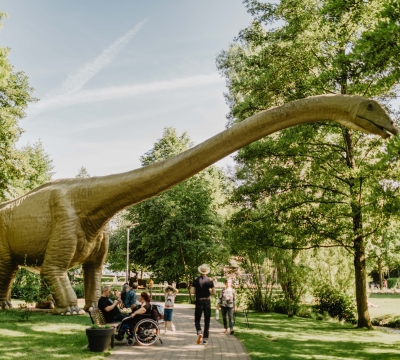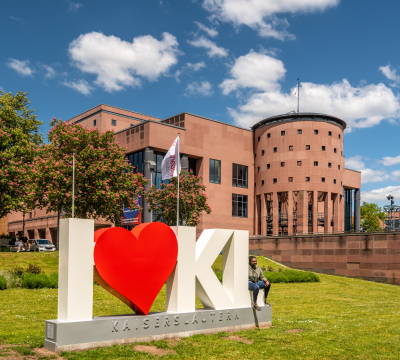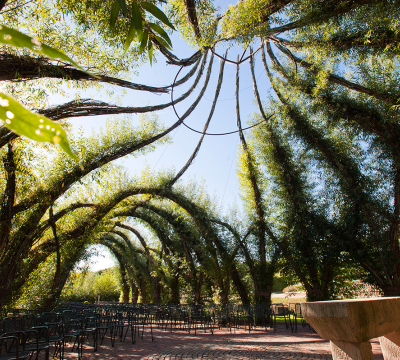




Varying indoor flower shows, a sea of flowers in the park, the largest dinosaur exhibit in Europe, numerous culture offerings, sports and leisure time activities - this attractive concept of the first Rhineland-Palatine state garden show began enthusing all generations in 2000. The "Gardens of Diversity", which have been supplemented in each season with new highlights, have since then been a true visitor magnet each year from April to October.
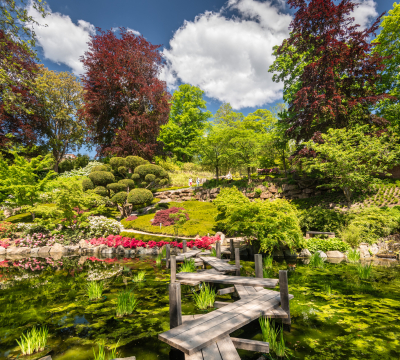
A piece of the far east in the southwest...anyone who would like to discover the beauty and the meditative effects of a Japanese garden is in the right place in the heart of the Palatine. In the year 2000, the Japanese Garden Kaiserslautern opened its gates for anyone who wants to draw energy and peace from the artistically designed harmony of light and shadows, plants and stones, water and paths. Let it enchant you!
Imperial Palace and Casimir Castle incl. Count Palatine Hall
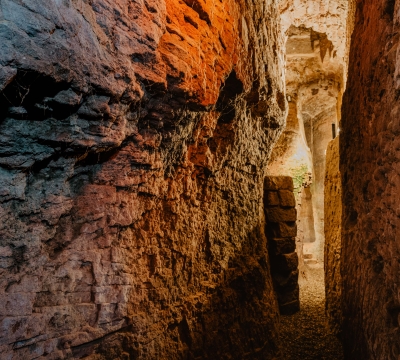
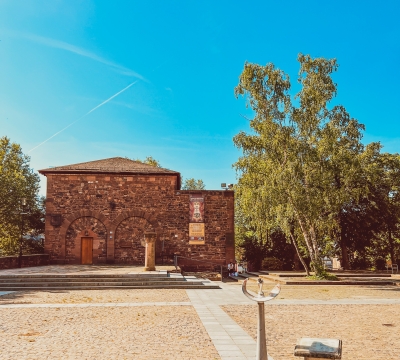
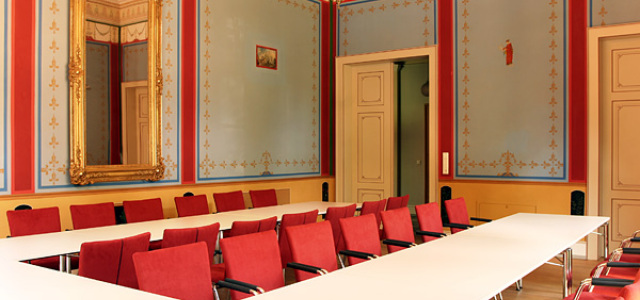
Unfortunately both don't exist any longer - neither Barbarossa's Kaiserpfalz (Imperial Palace) nor the renaissance castle which the Count Palatine had built directly in his vicinity. But the spectacular building hasn't fully disappeared. The ruins which were given a roof and christened the "Pfalzgrafensaal" (Count Palatine Hall) in 1935 are well worth seeing, and in the former living room (or did he perhaps sleep here?) of the "hunter from the electoral Palatinate" today official receptions of the city are held.
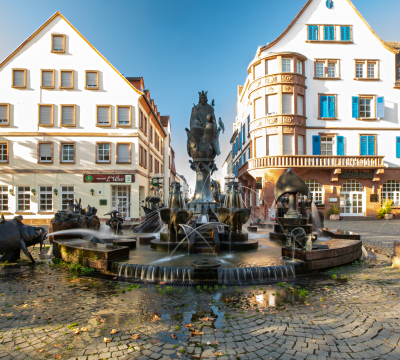
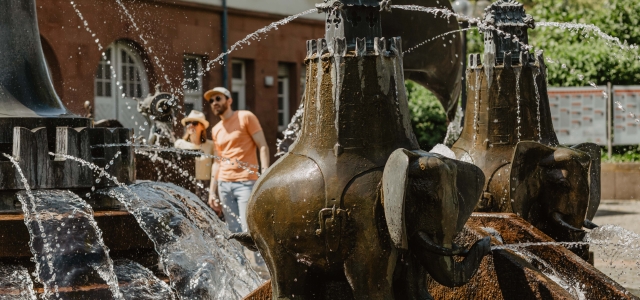
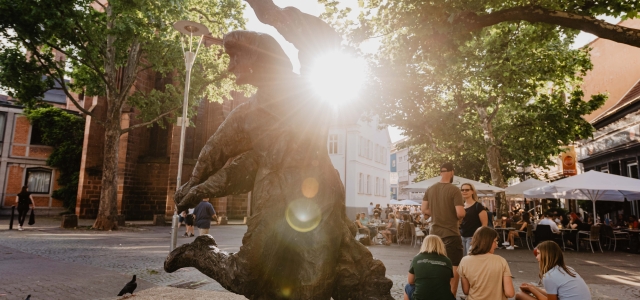
Since 1987 the Emperor's Fountain on the Mainzer Gate is a true center of attraction for tourists and people interested in architecture as well as for the natives and above all children which have changed the artistic journey through the history and present day of the city of Kaiserslautern into a playground. The sculptures of the fountain are full of symbolism...
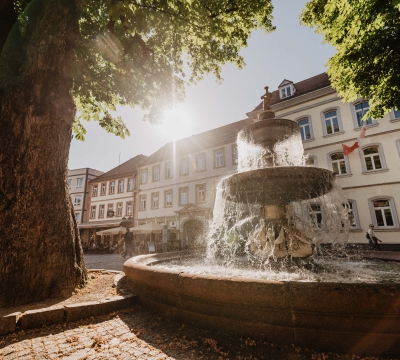
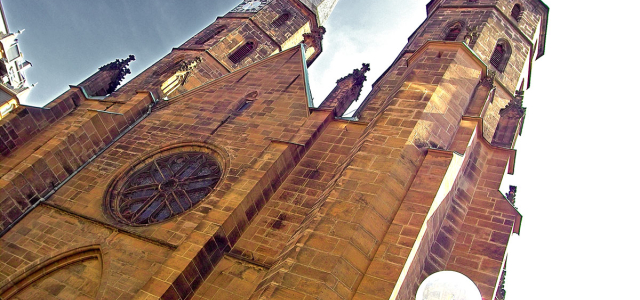
Even without being an art or church historian, if you look at the Kaiserslautern Collegiate Church you see that it is something special - above all its "picturesque side" from the Marktstrasse with the "Schönen Brunnen" (Fountain) in front of it is impressive (it was first mentioned in 1571). In fact it is considered to be the most important late gothic hall church in southwest Germany. And that is only one of the reasons why you should visit it...
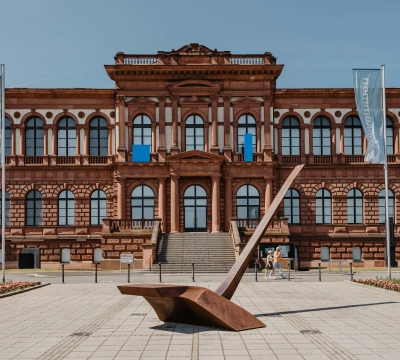
In the immediate neighbourhood of the steel and concrete architecture of City Hall is the imposing sandstone structure of the new Palatinate Theatre, flanked by two masks in Carrara marble.
This hall, the work of architect August von Voit, was built between 1843 and 1846 in Renaissance style, after the Palazzo Medici in Florence, and was originally used as a market hall.
This church was built by the Lutheran community between 1711 and 1717, and stands in what is now the generously-proportioned Union Square in the Rittersberg quarter. Today it is a favourite church for weddings.
This 62-acre area enables citizens and guests of the city of Kaiserslautern to observe game species that can be found in our hunting grounds or that were once found there in former times.
The Zoo is a popular destination in the western outskirts of the city of Kaiserslautern. On its area of approx. 17 acres the Zoo houses about 115 animal species and 415 wild and domestic animals.